
Devolution Revolution: a new series to identify and map devolution 'asks' over the last decade
Join me on the journey to make sense of devolution.

There is an emerging consensus in favour of devolution, as polling by Ipsos for the LGiU from earlier this month highlighted.
I use the word emerging deliberately because the polling is mixed, as below illustrates, but it is clear that devolution is increasingly viewed positively.
Do you think that having a directly elected Mayor has a positive or negative impact, if either, on the following for a local area?
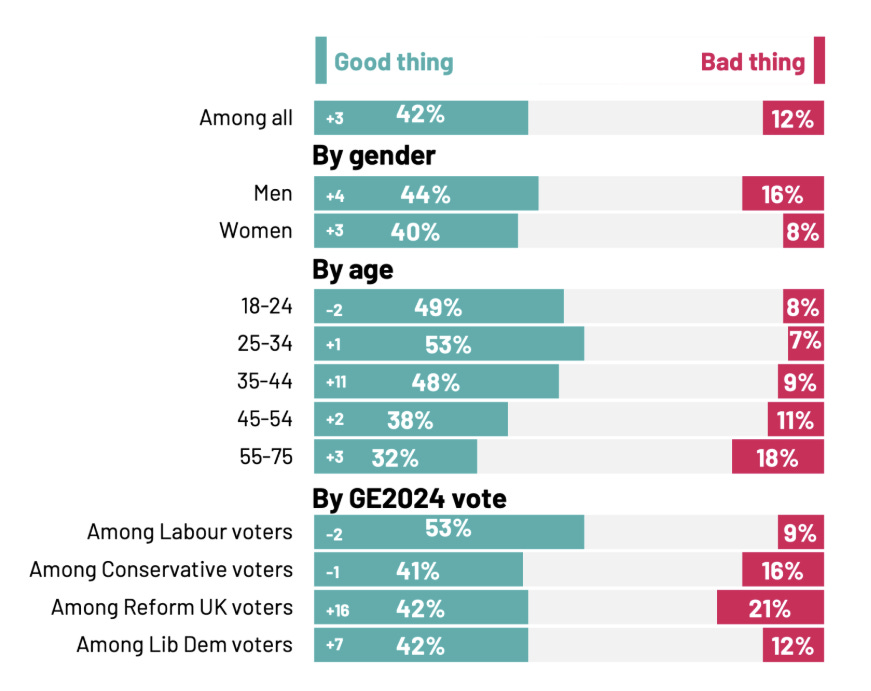
Note: this polling was conducted in Ipsos in March 2026, and it conducts it annually for LGiU. Look how Reform voters have changed their mind in the last 12 months.
But what precisely should be devolved - and what shouldn’t - is a question that continues to animate policy-makers. It has culminated in hundreds - if not thousands - of recommendations for further devolution.
Those recommendations have filled the pages of public reports and private briefings. They have preoccupied the Secretary of State at the Mayoral Council. And they are toiled over by an army of Civil Servants (even, as I learned this week, the Foreign, Commonwealth and Development Office has a devolution function).
Strategic authorities with Established Status now have the opportunity to submit (formally, via the Right to Request process) ‘asks’ for further devolution directly to the Government under the English Devolution and Community Empowerment Bill once it receives Royal Asset. In practice, the Government established it last year ahead of the Autumn Budget.
But it is all too easy to lose sight of the options on the table, or to forget them altogether.
That’s why I’m launching a new series on the Substack, what I’m calling the Devolution Revolution, identify, map and critically appraise requests for further devolution.
I am Panglossian and will explore substantive forms of devolution, such as the role of each Whitehall department - especially those that have so far avoided devolution, as well as their PuFins (such as the National Wealth Fund) and arms-length organisations (such as Homes England and Arts Council England). Only last week Andy Burnham at the Bennett School of Public Policy Conference reiterated his plea for further Homes England devolution.
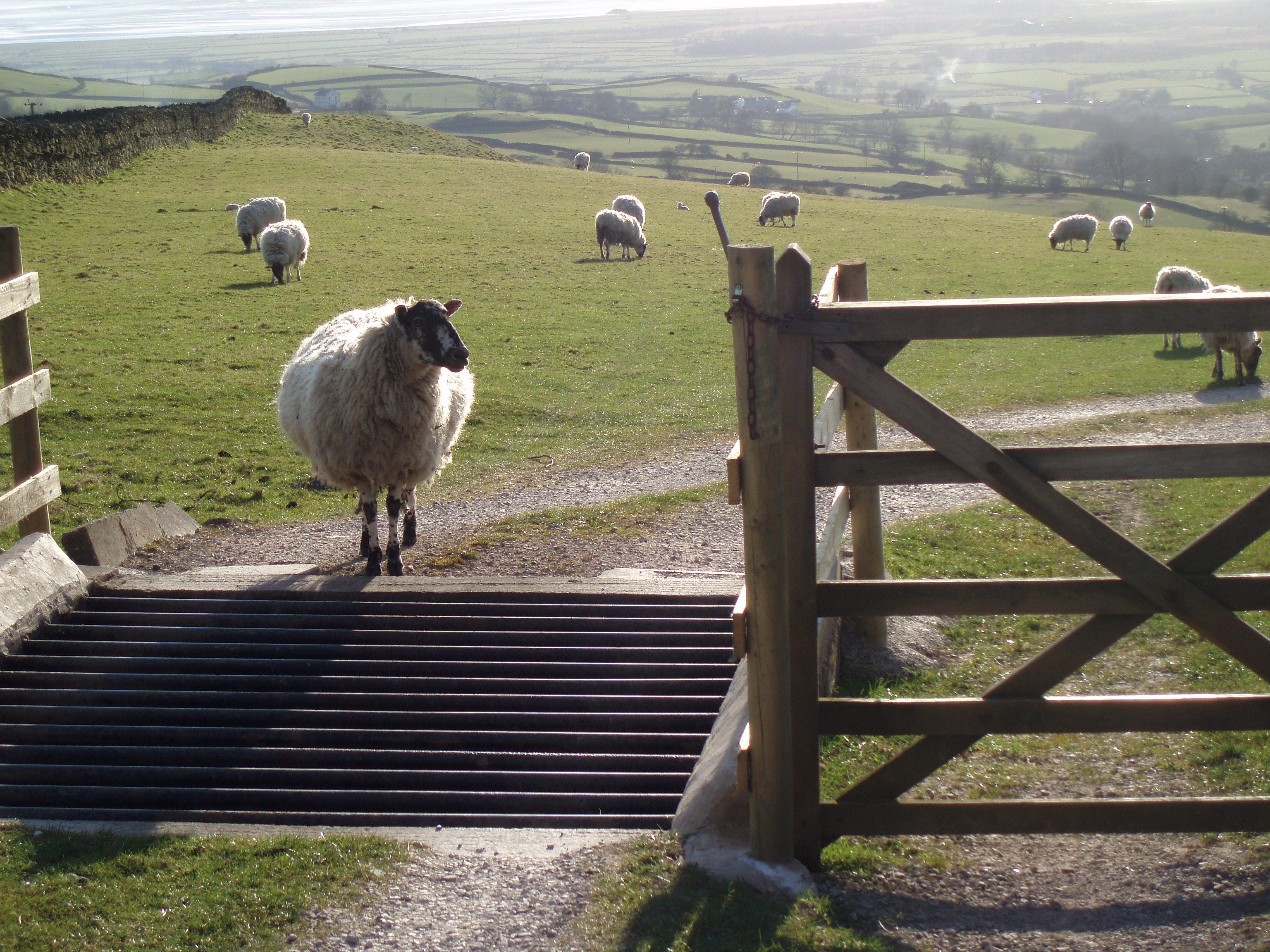
Yet I’ll also explore the minutiae. Some of it is totemic of our centralised state, such as the requirement to get the Secretary of State to sign-off new cattle grids.
Some of it was promised in the English Devolution White Paper but has not appeared in the English Devolution and Community Empowerment Bill, such as the devolution of tolls roads.
I’ve already been reading about the Act of Parliament from 1863 which introduced a 12p fee for the Warburton Toll Bridge and why only the Government can increase the fee - which illustrates both the limitations of devolution, but also why Whitehall is floundering.
For those interested: A private operator - Peel Group, which owns Manchester Ship Canal Company - wanted to increase the fee to £1 and applied to the Government via a Transport and Works Act Order, which itself should be devolved but that’s another matter. A public inquiry was held, the inspector recommended that the Transport Secretary approve the TWAO, which was approved and introduced in December, four years after it was submitted, delaying improvements which all parties believed were required. The dispute was over who should cover the costs of those improvements. This is a waste of UK Government time, isn’t it?
But I can’t do it alone - which is why I need you. If you’ve got an idea, please share it.

At the end of Devolution Revolution series, my hope is that we - as practitioners and policy-makers engaged in shaping devolution - will have a collective resource to draw upon, rather than have to navigate difficult-to-find documents languishing on page seven of the publications page of a website none of us visit. With resources in once place, I hope I am - and indeed, we are - better equipped to identify the shortcomings of the debate to date. Most importantly, I hope those with decision-making responsibility might land on this page surreptitiously and come across a devolution recommendation they had not come across before.
Join me on the journey to make sense of devolution.
One of the many ironies is that great supporter of devolution, John Prescott, was keen to keep English Partnerships - the precursor of Homes England - well away from the RDAs and under his control. Also worth remembering that Prescott’s great insight that economic and political devolution needed to go together, hence the importance of the RDAs reporting to Elected Regional Assemblies.